Direct answer: Bagged mulch is convenient for tiny touch-ups, but bulk mulch is usually the better choice for real Michigan landscape beds. Once a project reaches 1 cubic yard, that equals about 13.5 two-cubic-foot bags. A typical 5-yard install would be about 68 bags.
Bulk mulch also helps keep color and texture consistent across the property. That matters when the beds wrap around the front, side, and back of the home.
Want the real number for your property? Send bed photos, your city, color preference, and any cleanup notes. Mulch Bros will quote the yardage, prep, delivery, and install scope.
Get My EstimateBulk vs Bagged Cost and Labor Comparison
Use these ranges for planning, not as a final quote. Mulch Bros installation starts at $130 per yard when delivery and professional installation are included, and the final number depends on bed prep, edging, cleanup, old mulch, access, and total yardage.
| Project type | Typical yardage | Installed planning range | What changes the quote |
|---|---|---|---|
| Small refresh | 2-3 yards | $260-$390 starting install range | Usually front beds, a few tree rings, or a light top-off. |
| Common residential job | 4-6 yards | $520-$780 starting install range | Typical for many Milford, Novi, and Brighton homes with front and side beds. |
| Full-property refresh | 7-10 yards | $910-$1,300 starting install range | Often includes front, sides, backyard beds, and more edging. |
| Large or detailed property | 11+ yards | $1,430+ starting install range | Final price depends heavily on access, prep, old mulch, and detail work. |
Yardage Chart for Michigan Beds
Most residential installs use a 3 inch target depth. A lighter refresh may need less material, while bare beds may need more coverage.
| Depth | Best use | Coverage per cubic yard |
|---|---|---|
| 2 inches | Light refresh over clean existing mulch | 1 yard covers about 162 sq ft |
| 3 inches | Standard Michigan landscape bed install | 1 yard covers about 108 sq ft |
| 4 inches | Bare or thin beds needing stronger coverage | 1 yard covers about 81 sq ft |
What We See Locally
Many established homes have curved beds and mature plants, so 4-8 yards is a common planning range.
Newer subdivisions often have larger front beds with cleaner access, which makes quotes easier to confirm.
Mixed lot sizes mean yardage can swing quickly, especially when backyard beds or tree rings are included.
Lake-area and wooded properties often need more cleanup, edging, and access planning.
Best For / Not Best For
Full landscape beds, consistent color, professional installation, and jobs of 1 yard or more.
Planters, tiny touch-ups, or homeowners who only need a few bags and want to transport it themselves.
Quick Checklist Before You Request a Quote
- Convert bags to yards before comparing cost.
- Remember that 1 yard equals 27 cubic feet.
- Use bulk mulch when consistency matters.
- Request installation when the labor is bigger than the material decision.
Ready to turn this into a real price? Send your property details now so the quote can include yardage, prep, edging, cleanup, and access instead of a rough guess.
Get My EstimateMichigan Job Photo Examples
Use these examples to compare color, coverage, and finished bed lines before choosing your own mulch install.
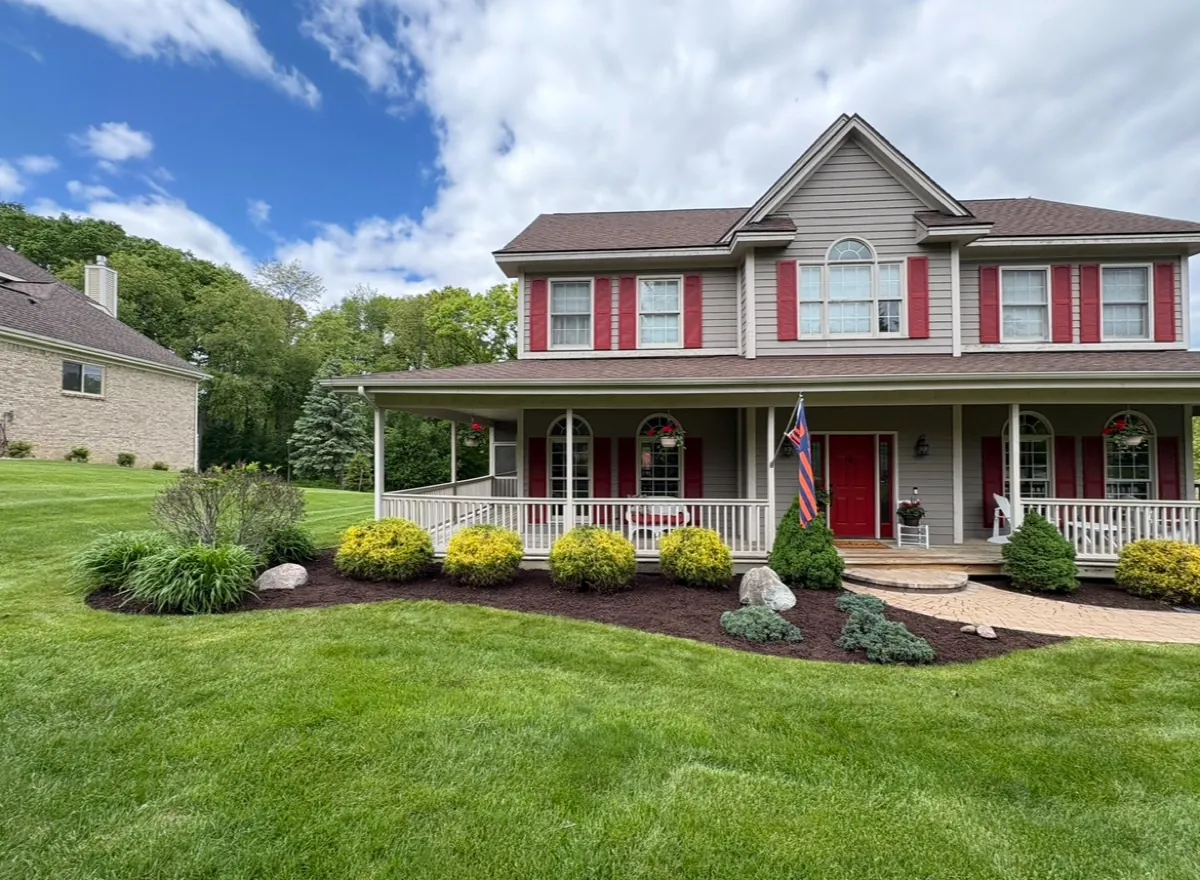
Clean black mulch around a Southeast Michigan home after bed cleanup and installation.
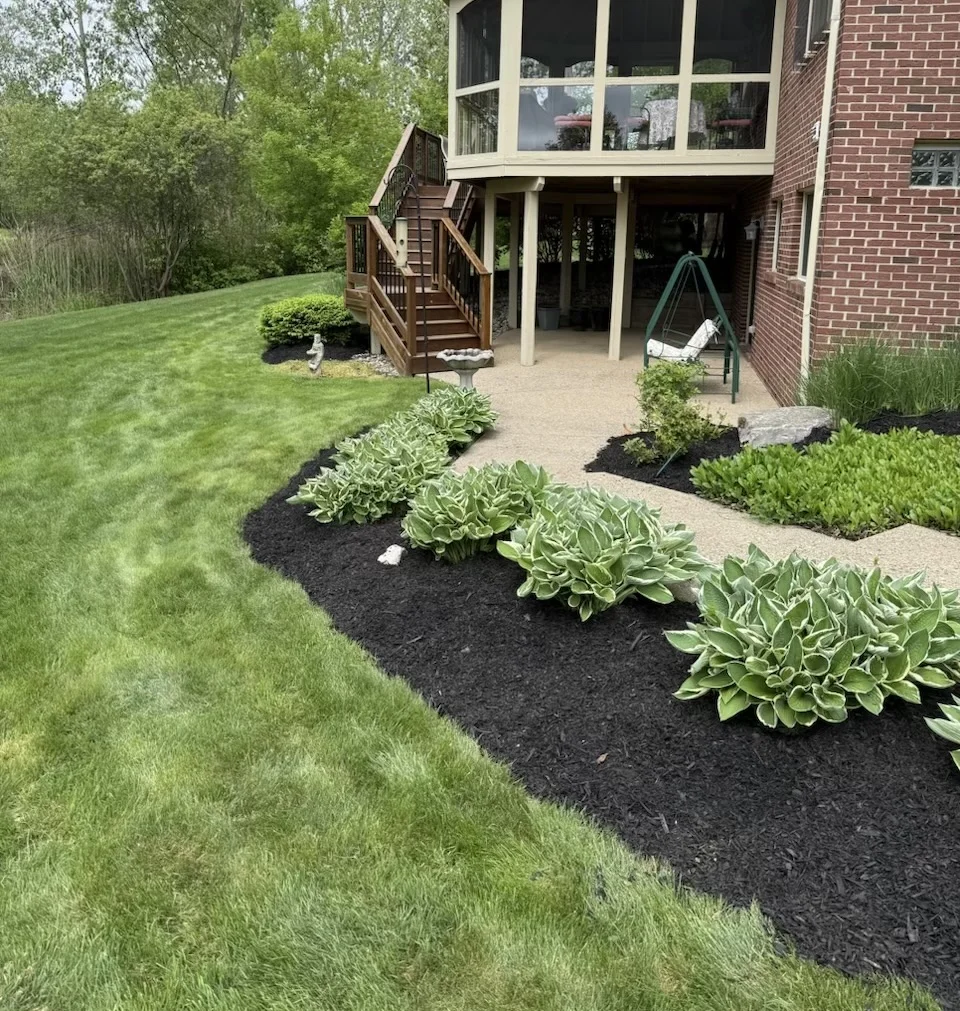
A plant-heavy bed where depth and clean spacing around stems matter more than speed.
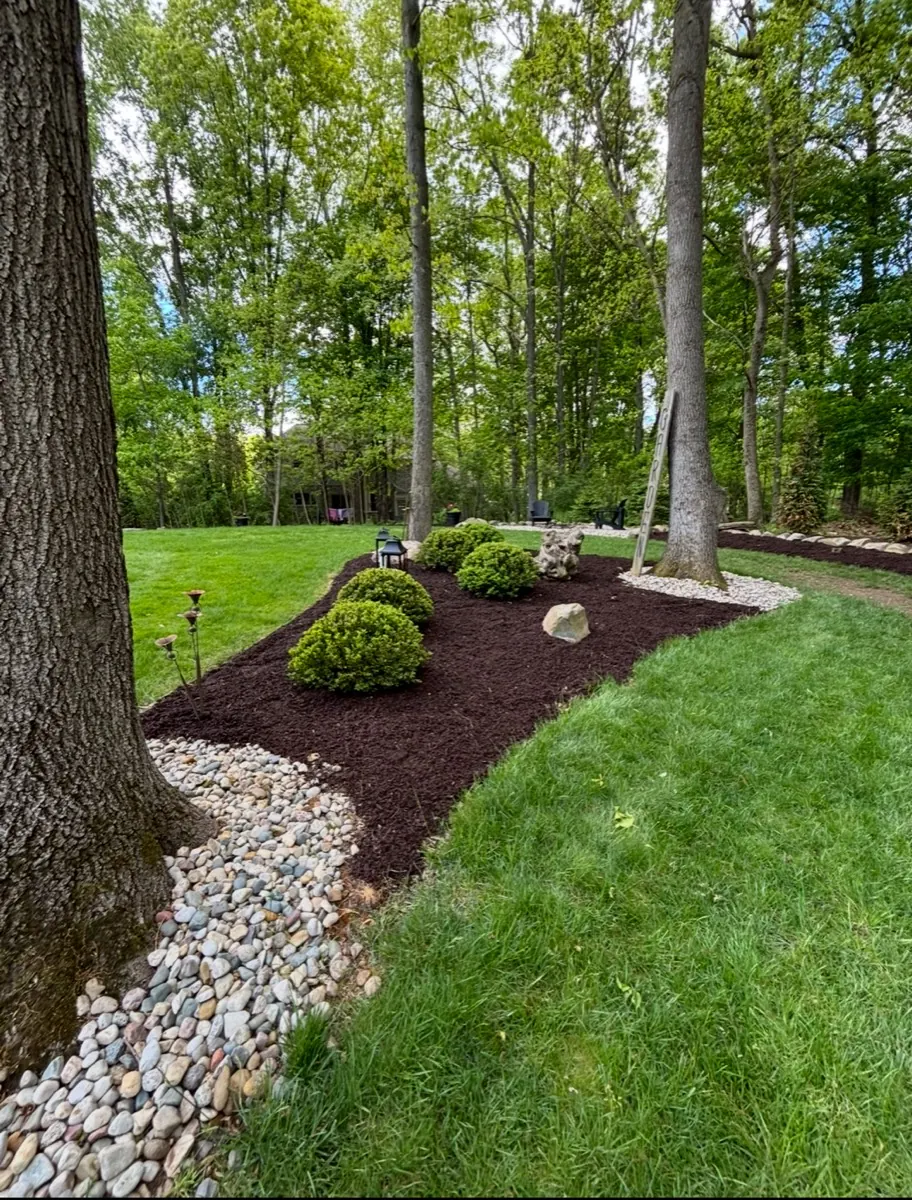
Bulk mulch is easier to install consistently when the full bed system is planned together.
Local Service Area Links
Mulch Bros serves Southeast Michigan homeowners. Start with your city page or go straight to the quote form when you are ready.
Related Mulch Resources
Convert square footage to cubic yards.
Pricing Mulch Installation Cost GuideSee installed pricing and quote factors.
Delivery Mulch Delivery in Southeast MichiganPlan delivery and installation.
Buyer Guide FAQ
How many bags are in a yard?
A cubic yard is 27 cubic feet, so one yard is about 13.5 two-cubic-foot bags.
Is bulk mulch cheaper?
Bulk mulch is usually more cost-effective for medium and large projects.
When should I use bags?
Use bags for tiny touch-ups, planters, or when you only need a few cubic feet.